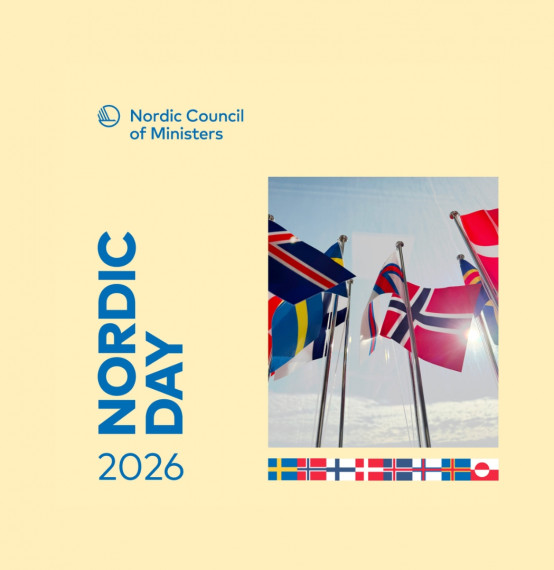
As of January 1st, and throughout 2026, Nordic co-operation will be shaped by two closely linked presidencies with a shared focus on security, resilience and democratic values. Denmark and the Faroe Islands will chair the Nordic Council of Ministers, while Finland and Åland will hold the presidency of the Nordic Council. Taken together, the two agendas matter not only for the Nordic countries but also for Latvia, which in 2026 marks 35 years of Nordic co-operation’s presence in the country.
Presidency of the Nordic Council of Ministers: Denmark and the Faroe Islands
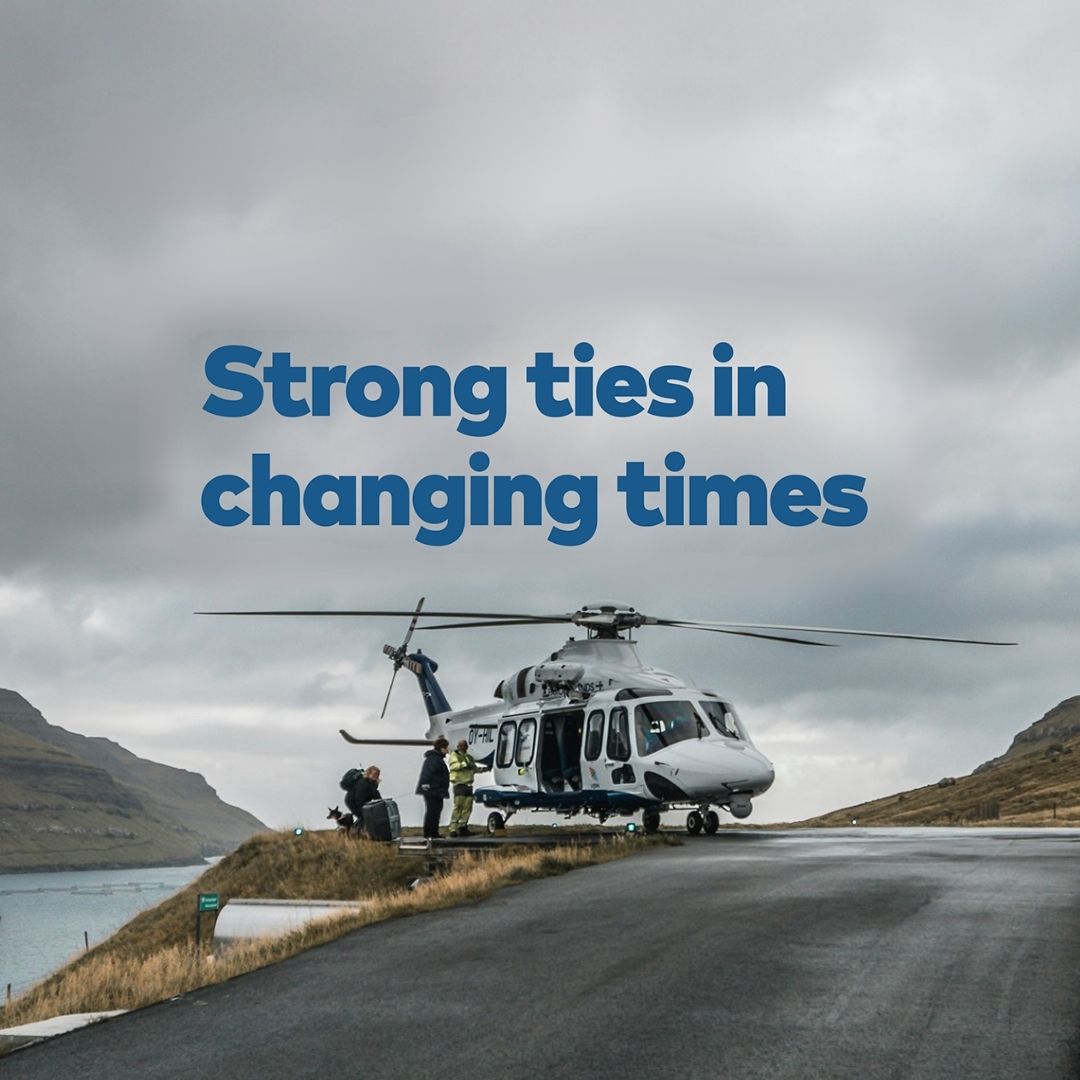
Under the title The Nordic Region: Strong Ties in Changing Times, the Danish and Faroese presidency reflects a harder geopolitical landscape. Russia’s war against Ukraine, hybrid threats and sustained disinformation campaigns have sharpened the case for closer Nordic integration and stronger collective resilience.
The presidency aims to bring all eight Nordic countries closer to the prime ministers’ Vision 2030 of the Nordic Region as the world’s most integrated and sustainable region. Key priorities include strengthening societal security and preparedness, improving energy security and security of supply, combating cross-border crime, boosting competitiveness, accelerating the green transition and protecting children and young people in the digital age.
Democratic resilience runs through the programme. With trust under pressure, the presidency places renewed emphasis on safeguarding democratic institutions and civil society. Work will also continue on updating the Helsinki Treaty, often referred to as the Nordic constitution, to reflect present-day realities and to examine options for the Faroe Islands, Greenland and Åland to become full members of Nordic co-operation bodies where constitutional frameworks allow.
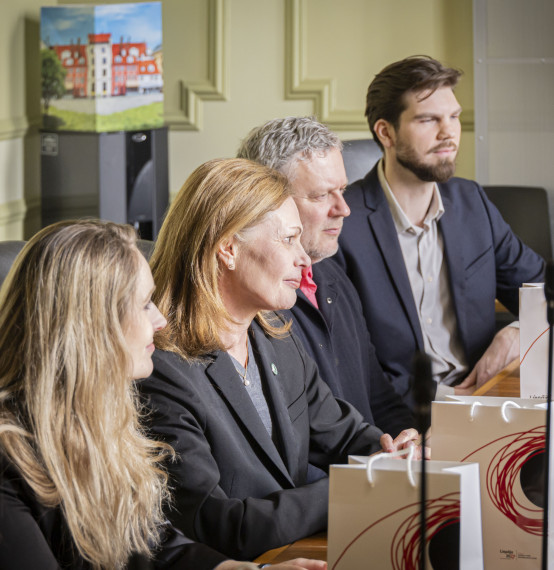
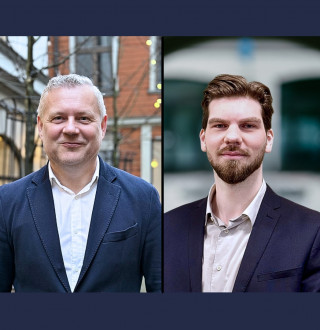
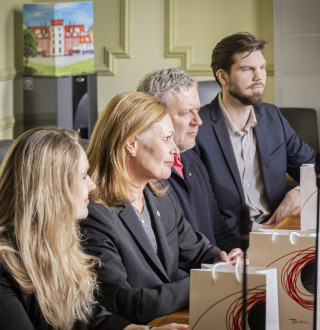
For Latvia and the wider Baltic region, the presidency’s strong emphasis on Nordic–Baltic co-operation, societal security and support for democratic values is particularly significant in the current security environment. The priorities of the Danish-Faroese Presidency of the Nordic Council of Ministers were also presented locally ahead of the presidency year. On 12 December 2025, the programme was introduced to the Nordic embassies in Riga by Tomas from the Secretariat, providing an early overview of the strategic direction for 2026 and setting the framework for continued dialogue and coordination with partners in Latvia.
For Latvia and the wider Baltic region, the focus on Nordic-Baltic co-operation and societal security is particularly relevant. On 12 December 2025, the presidency priorities were presented locally to the Nordic embassies in Riga offering an early outline of the strategic direction for 2026 and a basis for continued dialogue with partners in Latvia.
Finnish and Ålandic presidency of the Nordic Council 2026
The Nordic Council’s 2026 presidency, led jointly by Finland and Åland, is framed around Nordic comprehensive security. The programme responds to geopolitical instability and rising societal vulnerability by calling for stronger Nordic capacity to prevent, manage and recover from crises.
Its focus areas include preparedness and defence, health security, critical infrastructure, mental resilience, democracy and trust. Culture, education, media literacy and the responsible use of artificial intelligence are treated not as soft policy, but as essential elements of resilience, with clear relevance for the Baltic Sea region.
In 2026, the presidency of the Nordic Council of Ministers rotates from Finland and Åland to Denmark and the Faroe Islands, while the presidency of the Nordic Council rotates from Sweden to Finland and Åland.
Full presidency programmes
Presidency programme of the Nordic Council of Ministers in 2026
Presidency programme of the Nordic Council in 2026